Imprisonment on Crete
King Minos trapped Daedalus and his son Icarus in the Labyrinth — the very maze Daedalus had designed. Escape by land or sea was impossible; Minos controlled every route.
The boy who flew too close to the sun. A Greek tragedy of invention, freedom, and the fatal price of ignoring wise counsel — told for over two millennia.
The myth turns into a deterministic flight lab: tune the wing, choose the launch window, run free simulations, then burn CERA only when a replay is worth sealing into the Helios season.
King Minos trapped Daedalus and his son Icarus in the Labyrinth — the very maze Daedalus had designed. Escape by land or sea was impossible; Minos controlled every route.
The master craftsman bound feathers with wax into two great pairs of wings. He warned his son: fly neither too low, where the sea would soak the feathers — nor too high, where the sun would melt the wax.
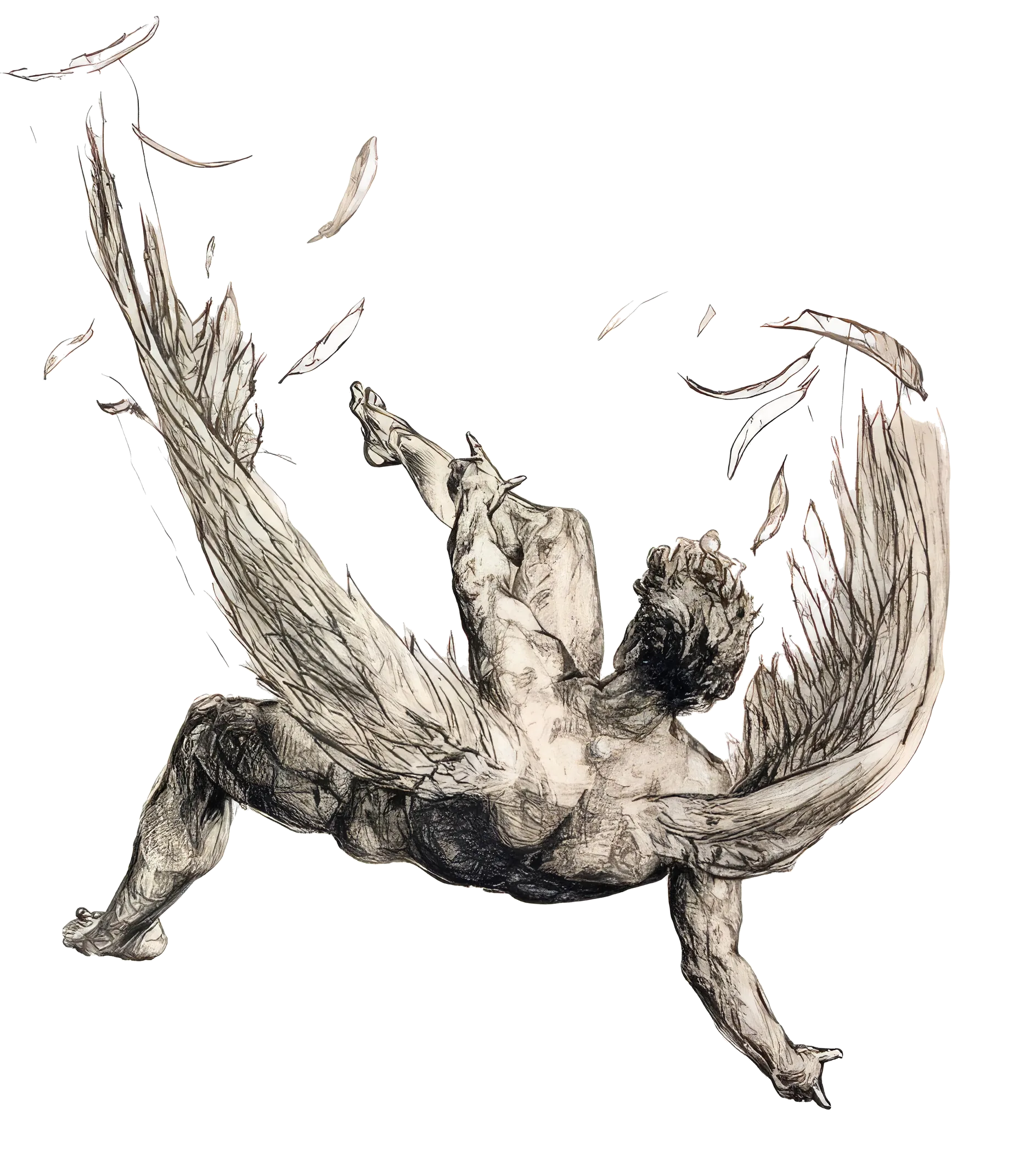
Too close to the sun, the wax softened and ran. The feathers loosened and scattered on the wind. Icarus beat bare arms against the empty air and plunged, calling his father's name, into the sea.
Daedalus searched the waves and found his son. He buried him on a windswept island and named it Icaria — and named the water around it the Icarian Sea, so the fall would never be forgotten.
The myth of Icarus has endured because it speaks to something universal — the tension between ambition and restraint.
Icarus ignored his father's counsel and paid with his life. The story warns against arrogance — the belief that we can transcend every natural limit without consequence.
Daedalus represents wisdom earned through experience. His instructions — stay on the middle path — echo across cultures as the voice of caution against youthful recklessness.
Before the fall, the myth celebrates invention. Daedalus built the Labyrinth, crafted wings, and solved impossible problems — a tribute to human creativity and engineering.
From Renaissance art to modern economics, "flying too close to the sun" remains shorthand for risky ambition. The Icarus myth lives on in literature, psychology, and culture.
The myth involves a small cast of characters, each representing a different force — authority, craft, youth, and divine order.
Trace the flightDaedalus
Master craftsman
Minos
King of Crete
Ovid
Primary source
Icaria
Island of burial
From the prison-island of Crete, across the Aegean, toward the sun — and down into the sea that still bears his name.
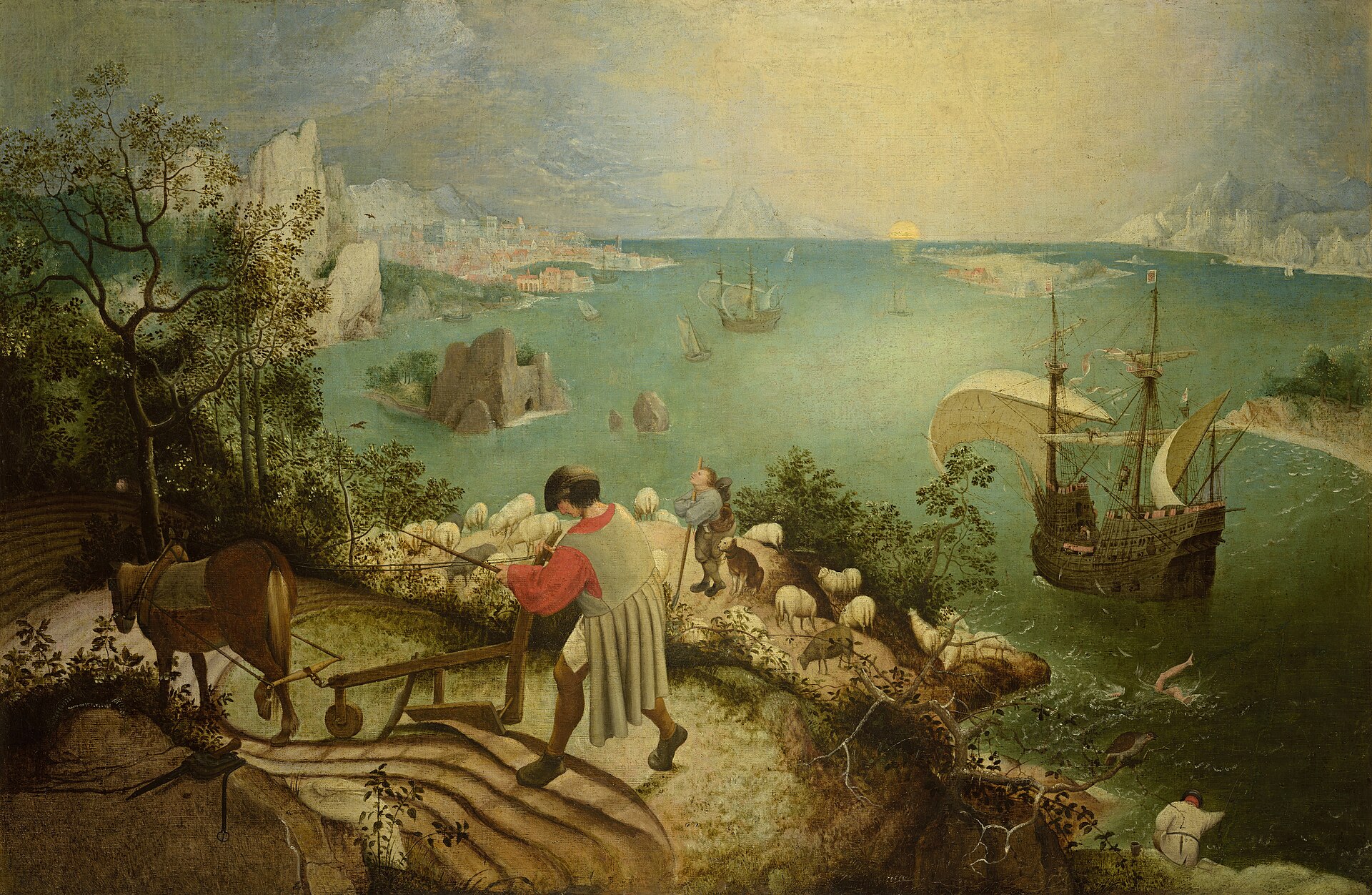
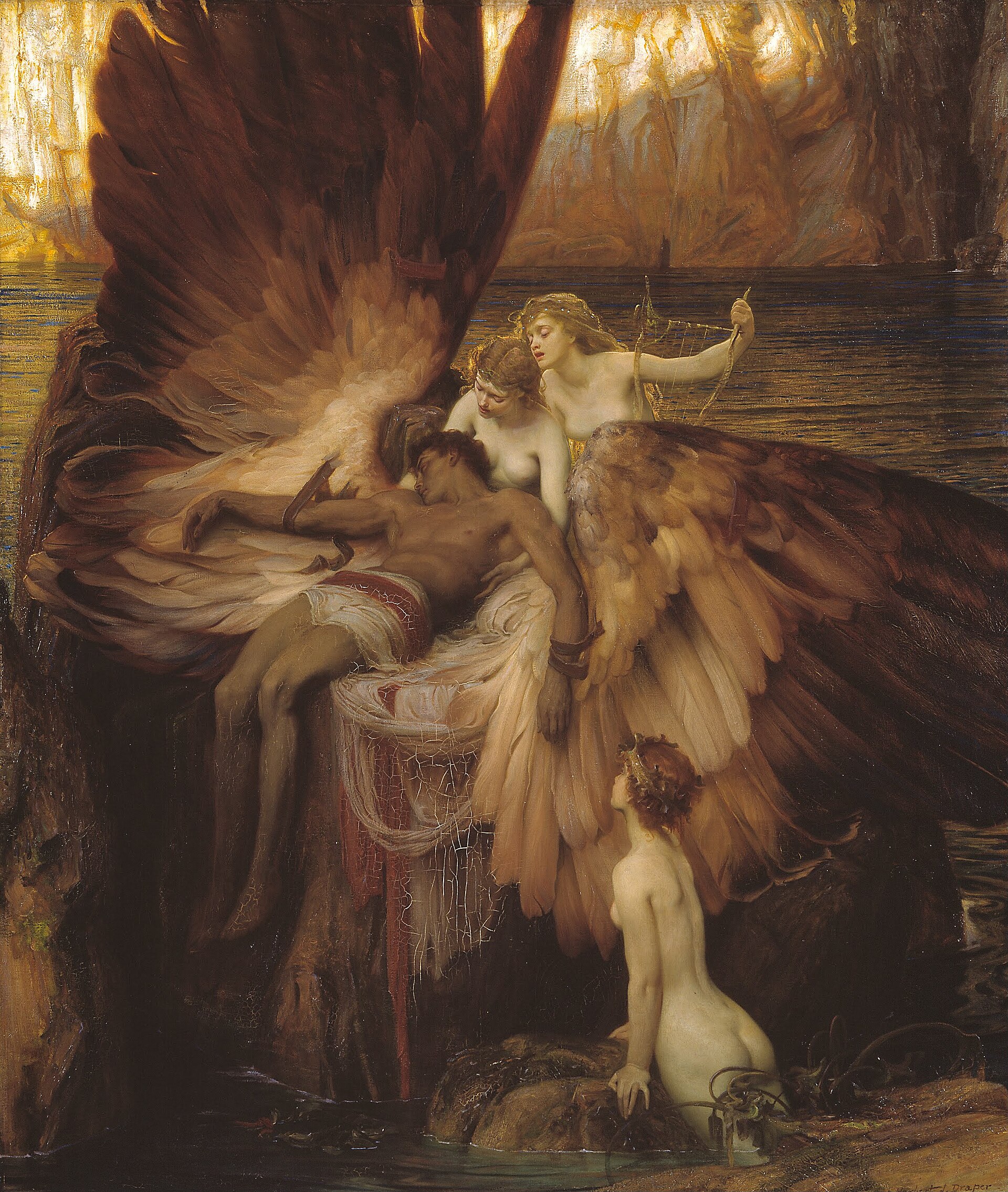
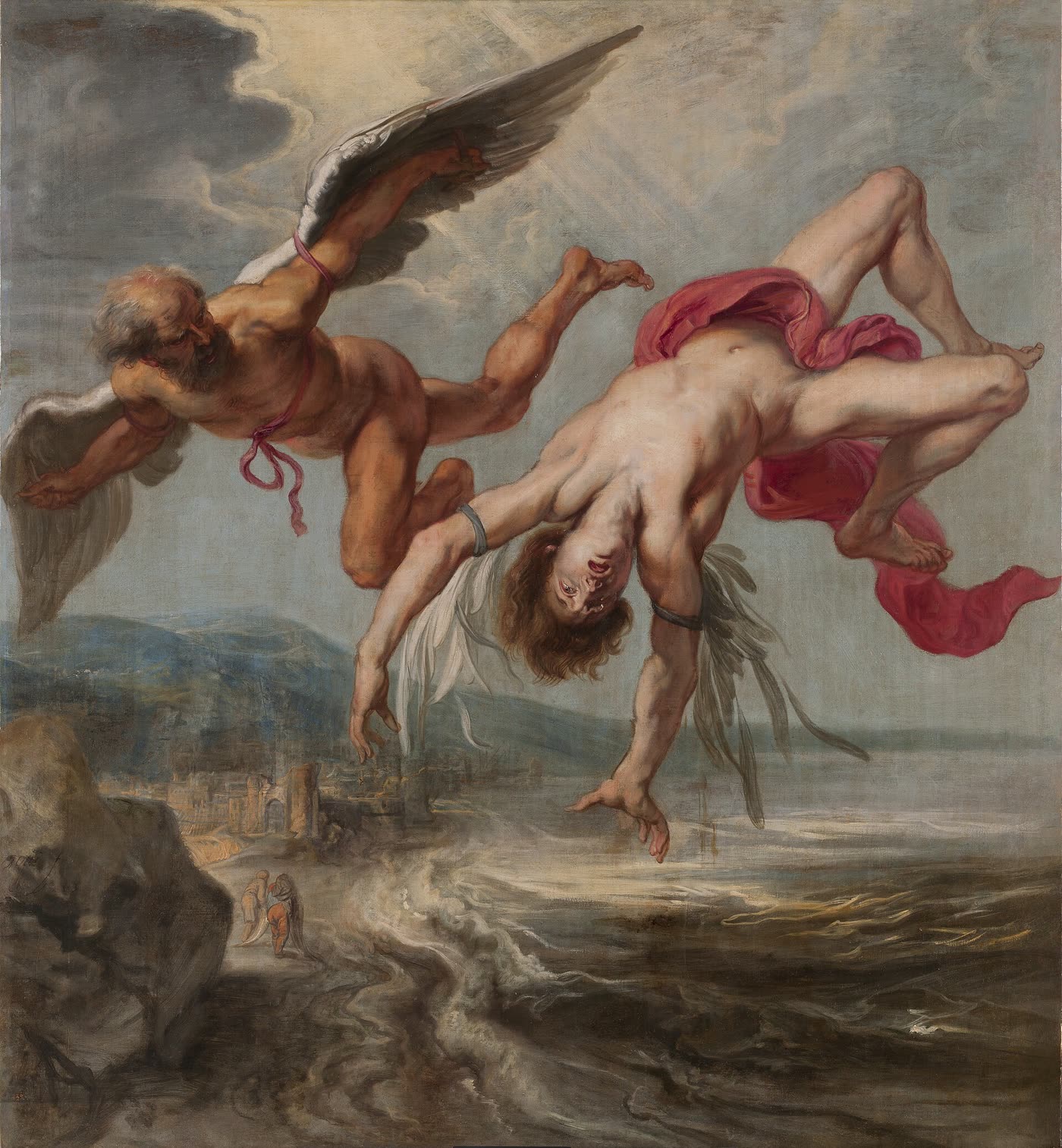
For five hundred years painters have returned to the fall — from a ploughman who never looks up to a body mourned upon the rocks. Tap any work to view it.
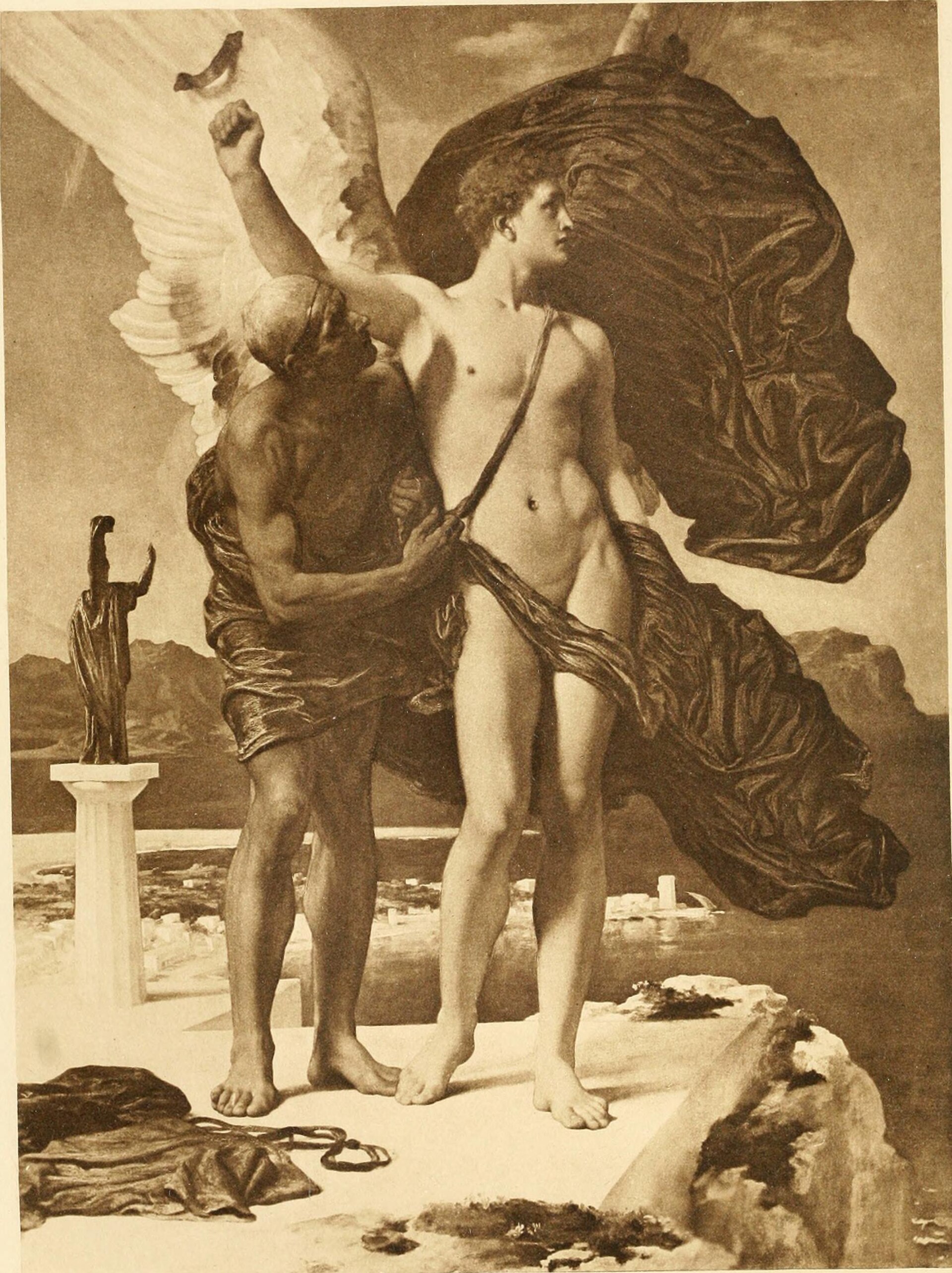
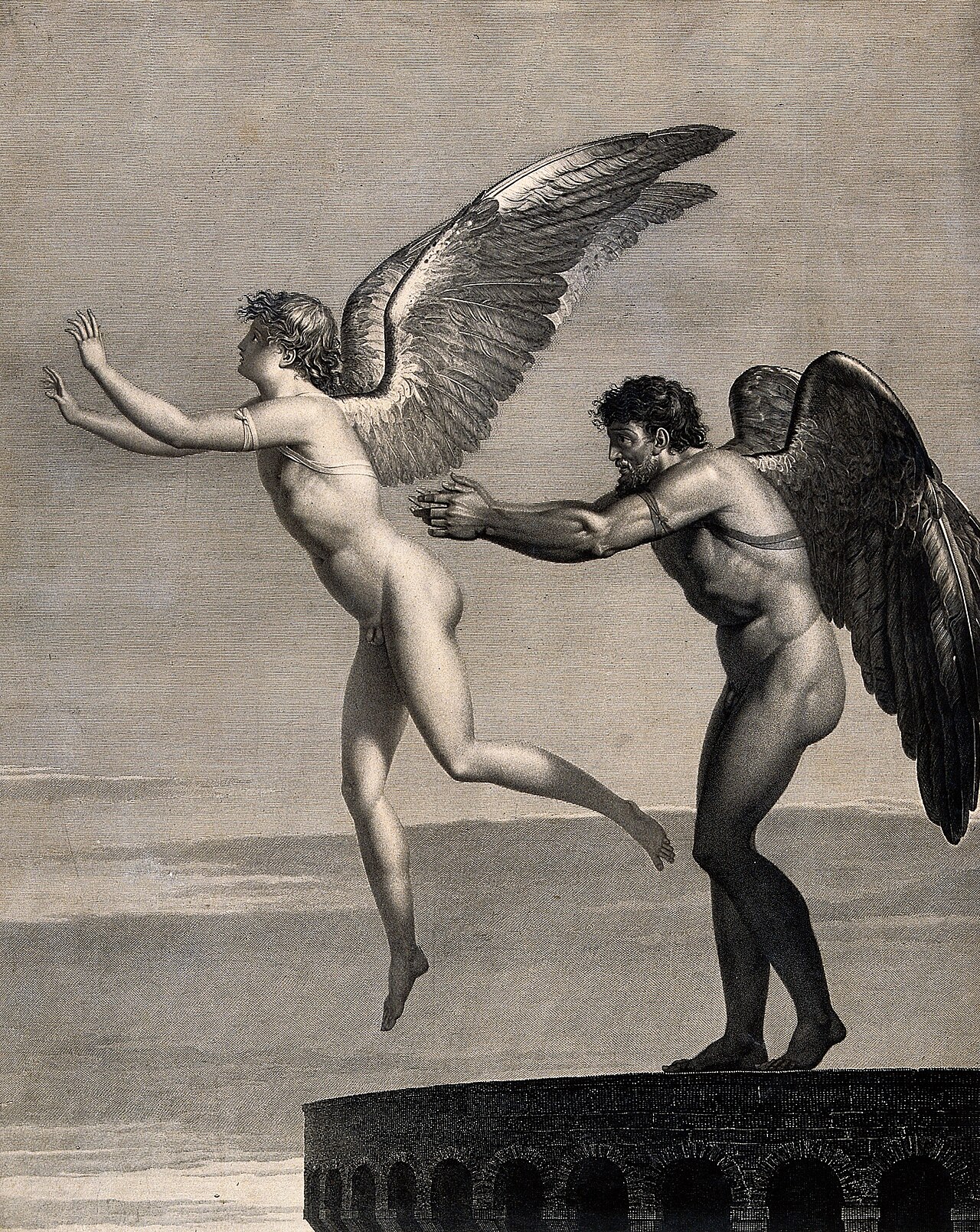
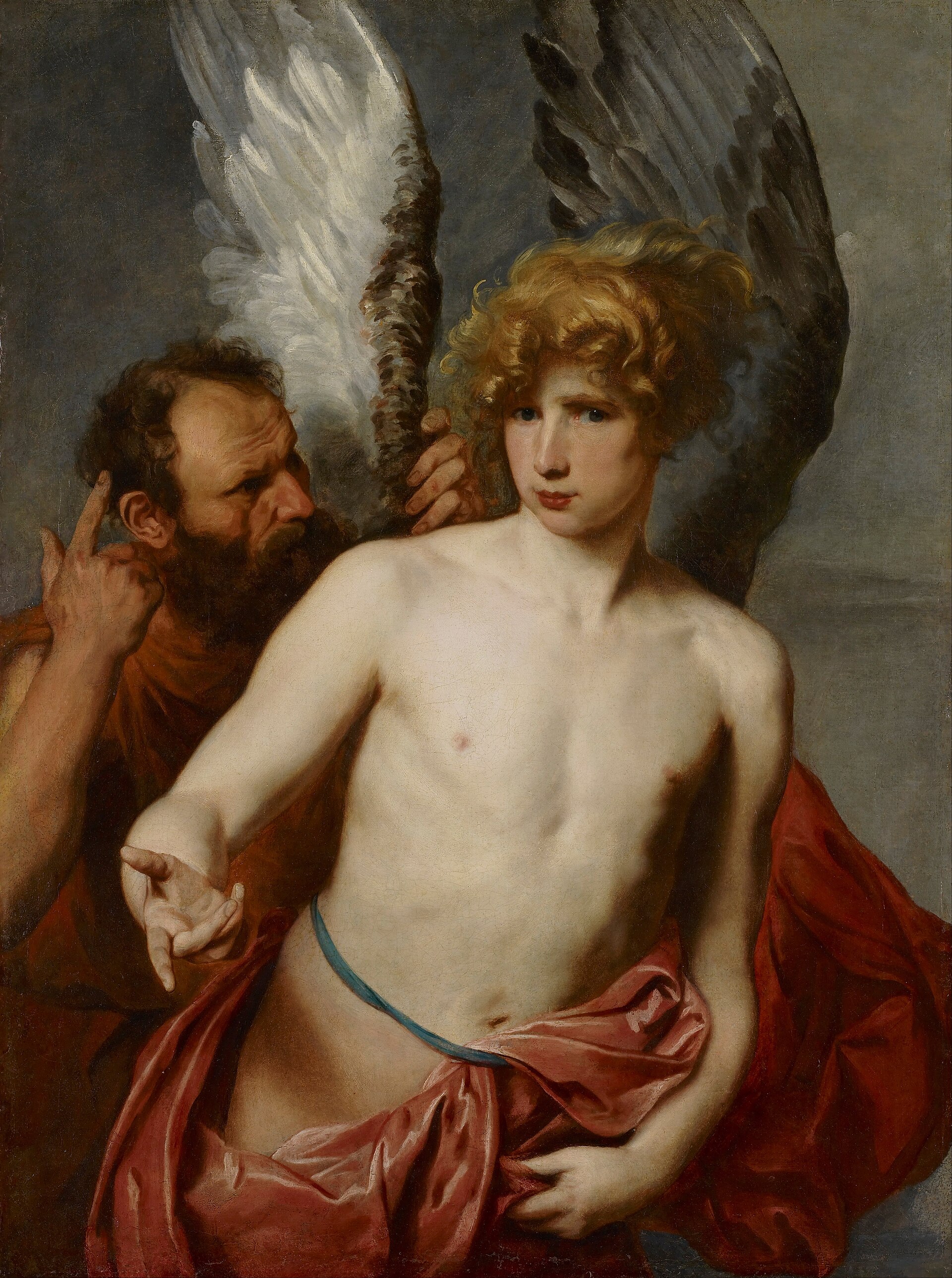
"He flew too close to the sun."
— The warning that outlived the myth